


Thin or sparse eyebrows can change the balance of the face. Brows frame the eyes and help define the upper face. When they become patchy or noticeably thinner, the reason may be years of overplucking, but genetics, aging, skin irritation and hair-loss conditions can also play a role.
The best treatment depends on whether the follicles are still active. Some methods support natural growth, while others make existing hairs look denser or replace hair in areas where follicles no longer produce it. A serum, microblading and an eyebrow transplant therefore solve very different problems.
Why Do Eyebrows Become Thin or Sparse?
Eyebrow thinning often develops slowly. Repeated tweezing can stress the same follicles over time, while genetics may explain why some people have always had fine or widely spaced brow hairs. Aging can also make existing hairs look thinner.
Sudden or patchy loss needs closer attention. Alopecia areata can affect the eyebrows and may cause patchy loss in both brows. Frontal fibrosing alopecia can also involve the eyebrows, sometimes before obvious scalp changes appear. Skin irritation, infection and other conditions may lead to eyebrow or eyelash loss, known as madarosis.
What Are the Best Treatments for Thin Eyebrows?
There is no single treatment that fits every case. The most useful option depends on how much natural hair remains and why the brows are thinning.
- Eyebrow growth serums can condition existing hairs and help reduce breakage.
- Minoxidil may be considered in selected cases when active follicles remain.
- Bimatoprost has been studied for eyebrow hypotrichosis.
- PRP may be used to support weak follicles, although eyebrow-specific evidence is limited.
- Brow tinting and lamination can make existing hairs look fuller.
- Microblading creates the appearance of fine hairs in sparse areas.
- Eyebrow transplantation places real follicles into areas with lasting thinning.

Eyebrow Growth Serums
Eyebrow serums are often the easiest option to try when thinning is mild. Cosmetic formulas usually focus on conditioning the hair and skin around the brows. Ingredients such as peptides, panthenol and moisturizing agents may help fragile hairs look healthier and reduce breakage.
A serum can improve the appearance of existing brow hair, but it cannot create a new follicle in an area where one no longer exists. Someone with fine but active hairs may therefore see a different result from someone with a completely bare patch.
Bimatoprost and Minoxidil for Sparse Eyebrows
Bimatoprost is best known for eyelash growth, but randomized studies have also reported improvements in eyebrow density, thickness and overall appearance in people with eyebrow hypotrichosis.
Minoxidil, widely used for certain forms of scalp hair loss, has also been studied for eyebrow enhancement. A comparative clinical study found improvement in eyebrow assessment scores among groups treated with minoxidil and bimatoprost.
These products are not suitable for every type of thinning. The skin around the eyes is delicate, and topical products can cause irritation or unwanted hair growth if they spread beyond the brow. They are also unlikely to restore follicles that have been permanently destroyed.
PRP Treatment for Thinning Eyebrows
Platelet-rich plasma, or PRP, is sometimes included in hair restoration plans. A small amount of blood is processed to concentrate platelets, and the prepared plasma is then applied to the target area.
PRP is much better studied for scalp hair than for eyebrow thinning. Its role in the brows is therefore best viewed as supportive rather than guaranteed. It may be considered when weak hairs are still present, but it does not create new follicles. Any visible change would develop gradually.
Microblading for Thin Eyebrows
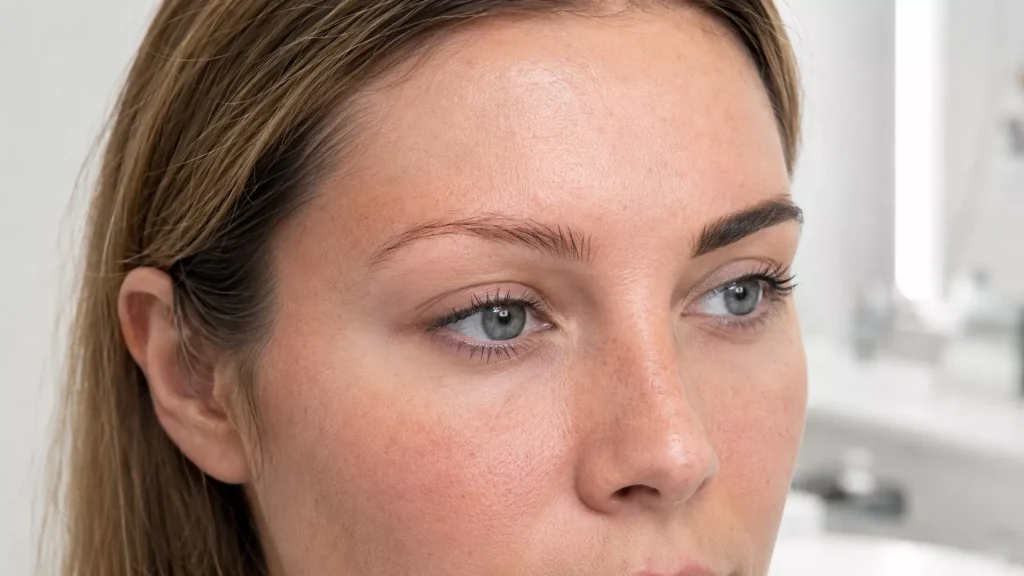
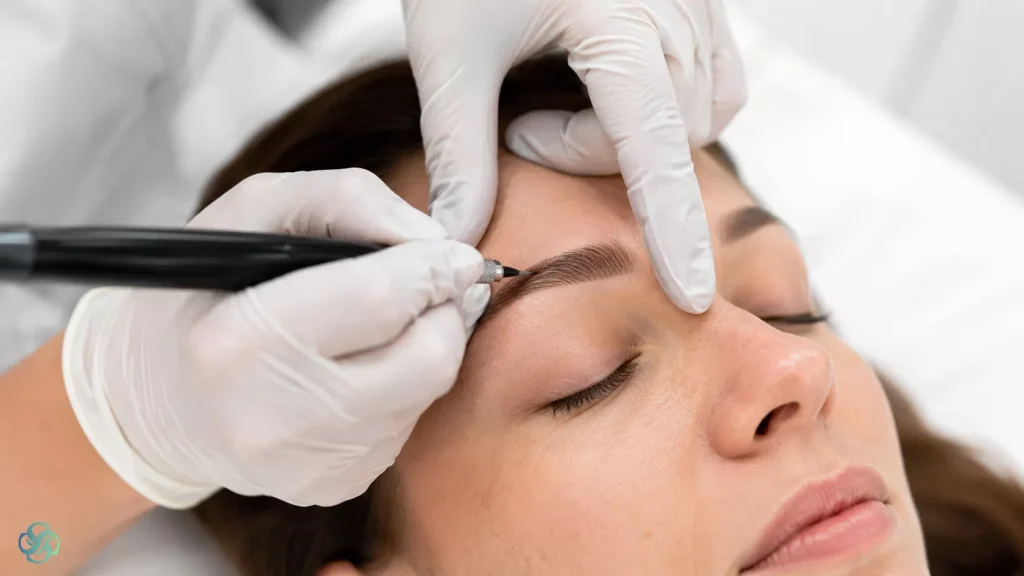
Microblading does not stimulate hair growth. Fine pigment strokes are placed in the skin to imitate individual eyebrow hairs. This makes it useful for small gaps, uneven arches or brows that look sparse despite having some natural hair.
Results gradually fade, so maintenance may be needed. A natural appearance depends on shape, pigment tone and stroke direction.
Brow Tinting and Lamination
Some eyebrows look sparse mainly because the hairs are fine, pale or lie flat against the skin. Tinting darkens these hairs and can make the brow appear denser almost immediately.
Lamination works by repositioning existing hairs so they can cover small gaps and create a wider shape. Neither treatment increases the number of follicles, but both can make a noticeable difference when enough natural hair is already present.
Eyebrow Transplant for Permanent Thinning
An eyebrow transplant is a more direct option for permanent gaps or low density. Individual follicles are taken from a donor area, often the scalp, and placed into the eyebrow.
Placement is important because eyebrow hairs grow at a flatter angle than scalp hair. Direction, spacing and the transition from the inner brow to the tail all affect the final appearance.
The transplanted follicles can continue producing real hair long term. Because donor hairs may retain scalp-like growth, regular trimming is often needed. Eyebrow transplantation may be considered for genetically sparse brows, old scars or permanent loss after years of overplucking.
Which Treatment Is Best for Different Types of Eyebrow Thinning?
| Eyebrow Concern | Treatment Often Considered | Main Goal |
|---|---|---|
| Mild thinning | Serum and gentle care | Protect existing hair |
| Fine or pale hairs | Tinting | Improve visible density |
| Flat or unruly hairs | Lamination | Create a fuller shape |
| Weak active follicles | Medical topical treatment | Support growth |
| Small cosmetic gaps | Microblading | Add visual coverage |
| Permanent sparse areas | Eyebrow transplant | Add real follicles |
| Sudden patchy loss | Medical assessment | Find the cause |
The condition of the follicles matters more than appearance alone. A cosmetic treatment may be enough for one person, while another may need treatment aimed at the cause.
Can Overplucked Eyebrows Grow Back?
They can grow back when the follicles remain active. If tweezing has only interrupted the normal growth cycle, leaving the brows alone for several months may allow fine new hairs to appear. Early regrowth often looks uneven because different follicles are in different stages.
When repeated trauma has permanently damaged a follicle, that spot may remain thin despite waiting or using cosmetic serums. Areas that have been bare for years are less likely to behave like recently overplucked areas.
How Can You Support Natural Eyebrow Regrowth?
Simple habits can help protect existing brow hair and reduce avoidable breakage.
- Stop plucking sparse areas while waiting for regrowth.
- Remove brow makeup gently instead of rubbing the skin.
- Avoid using several strong growth products at the same time.
- Keep irritated or flaky skin around the brows under control.
- Limit repeated bleaching and harsh cosmetic processes.
- Take progress photos every few weeks instead of checking daily.
- Have sudden or rapidly worsening eyebrow loss assessed.
When Should Sparse Eyebrows Be Checked?
Thin brows are often cosmetic, but sudden loss, clear bald patches or eyebrow thinning that appears with scalp hair loss deserves attention. Alopecia areata can cause patchy eyebrow loss, while frontal fibrosing alopecia may involve the brows and can cause permanent follicle damage as it progresses.
Persistent redness, scaling, itching or skin changes around the eyebrow are also reasons to look beyond cosmetic products.
How Long Do Eyebrow Treatments Take to Work?
The timeline depends on the treatment. Tinting, lamination and microblading create a visible change quickly because they do not require new hair growth.
Serums and medical growth treatments take longer. New hairs often begin as short, fine strands and become easier to see over several months. An eyebrow transplant also requires patience, as transplanted hairs can shed before new growth begins and the final density develops gradually.
Frequently Asked Questions
What Is the Fastest Way to Make Sparse Eyebrows Look Fuller?
For an immediate cosmetic change, tinting, lamination, makeup or microblading are faster than treatments that depend on biological hair growth. These methods improve visible density by darkening, repositioning or visually replacing missing hairs.
Can Eyebrow Serum Regrow Completely Bald Areas?
A cosmetic eyebrow serum cannot create new follicles. It may improve the condition of existing hairs and make fragile strands look healthier, but a permanently bald area will respond differently from an area that still contains active follicles.
Is an Eyebrow Transplant Permanent?
An eyebrow transplant moves living follicles into the brow area, so the transplanted hairs can continue growing long term. They may need regular trimming because follicles taken from the scalp can grow longer than natural eyebrow hairs.
Can Thin Eyebrows Become Naturally Fuller Again?
Yes, when enough healthy follicles remain. Giving the brows time to grow, avoiding repeated plucking and protecting existing hairs from breakage may improve natural density. If follicles have been permanently lost, cosmetic methods or eyebrow transplantation may provide a more noticeable result.