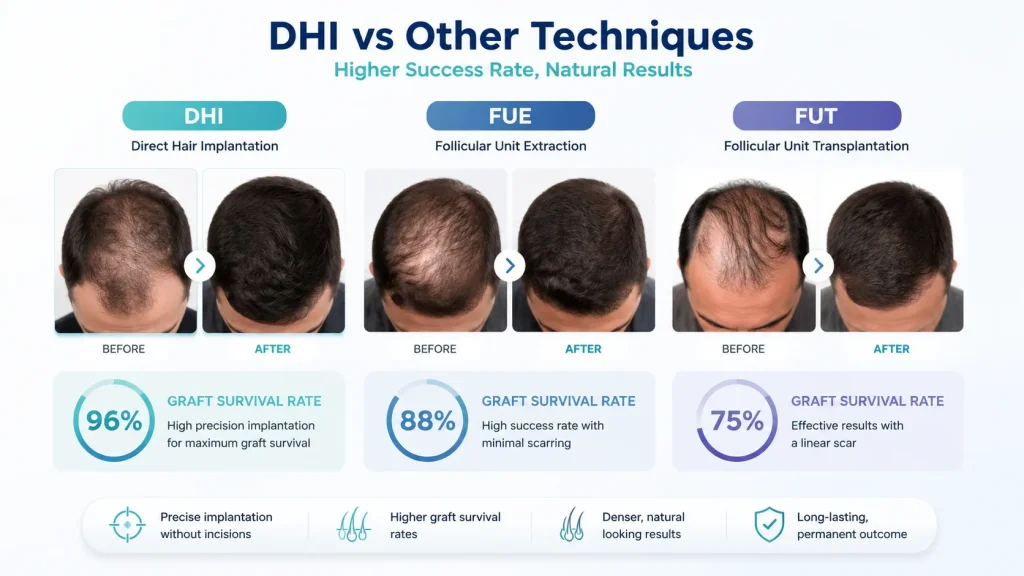
The success rate of DHI hair transplantation is generally high and often comparable to or even better than other techniques. This is primarily due to the precise implantation process, which places each follicle directly without prior incisions. This method increases graft survival rates, as the follicles spend minimal time outside the body.
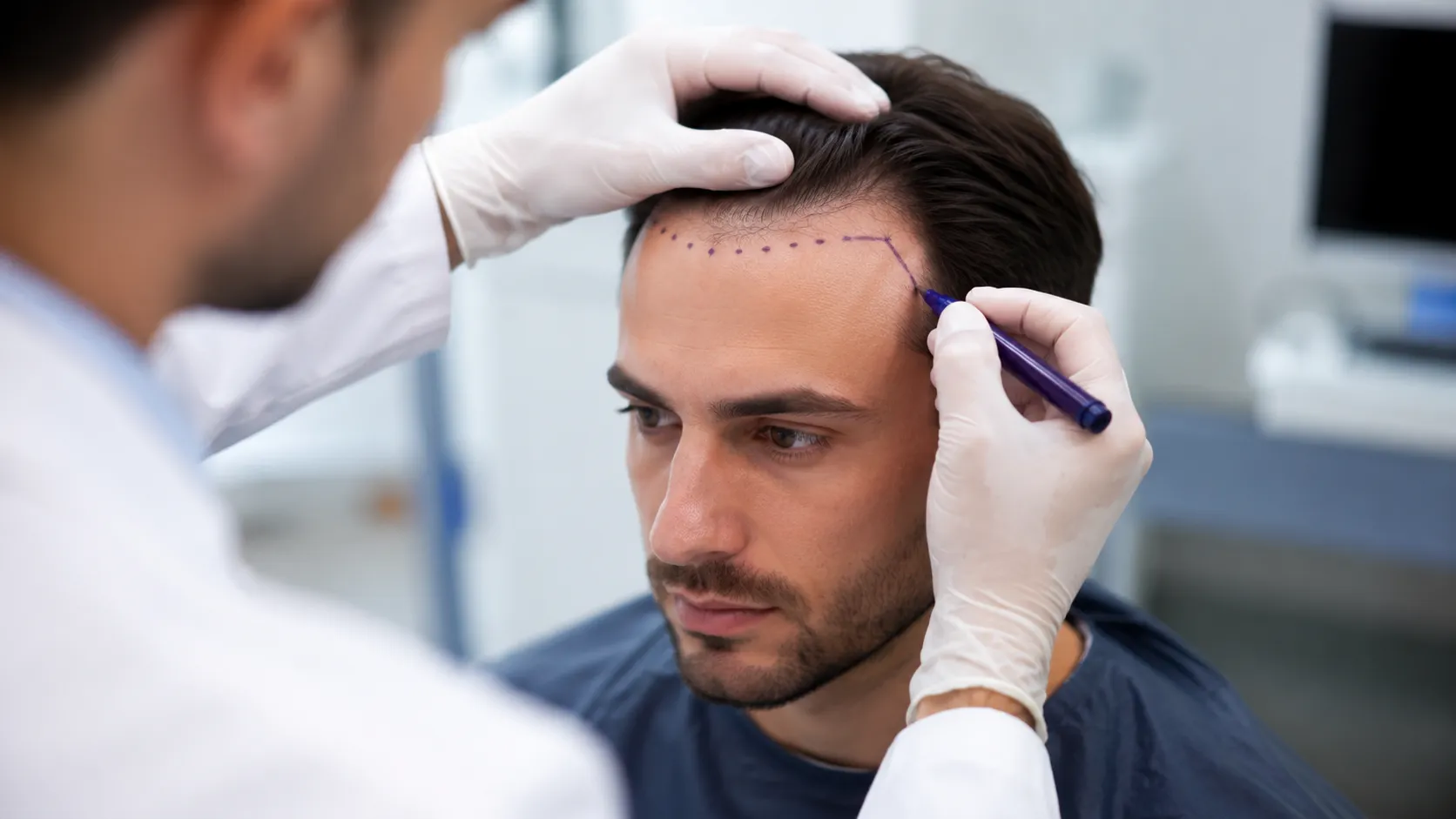
DHI also offers precise control over the angle, direction, and depth of each hair, contributing to a more natural-looking result. However, success depends on factors like the surgeon’s expertise, proper aftercare, and individual patient conditions. Compared to other methods, DHI may have a slightly longer procedure time but often yields denser and more natural results, enhancing overall satisfaction. Proper patient selection and expert execution are key to maximizing its success.

Why is DHI So Expensive?
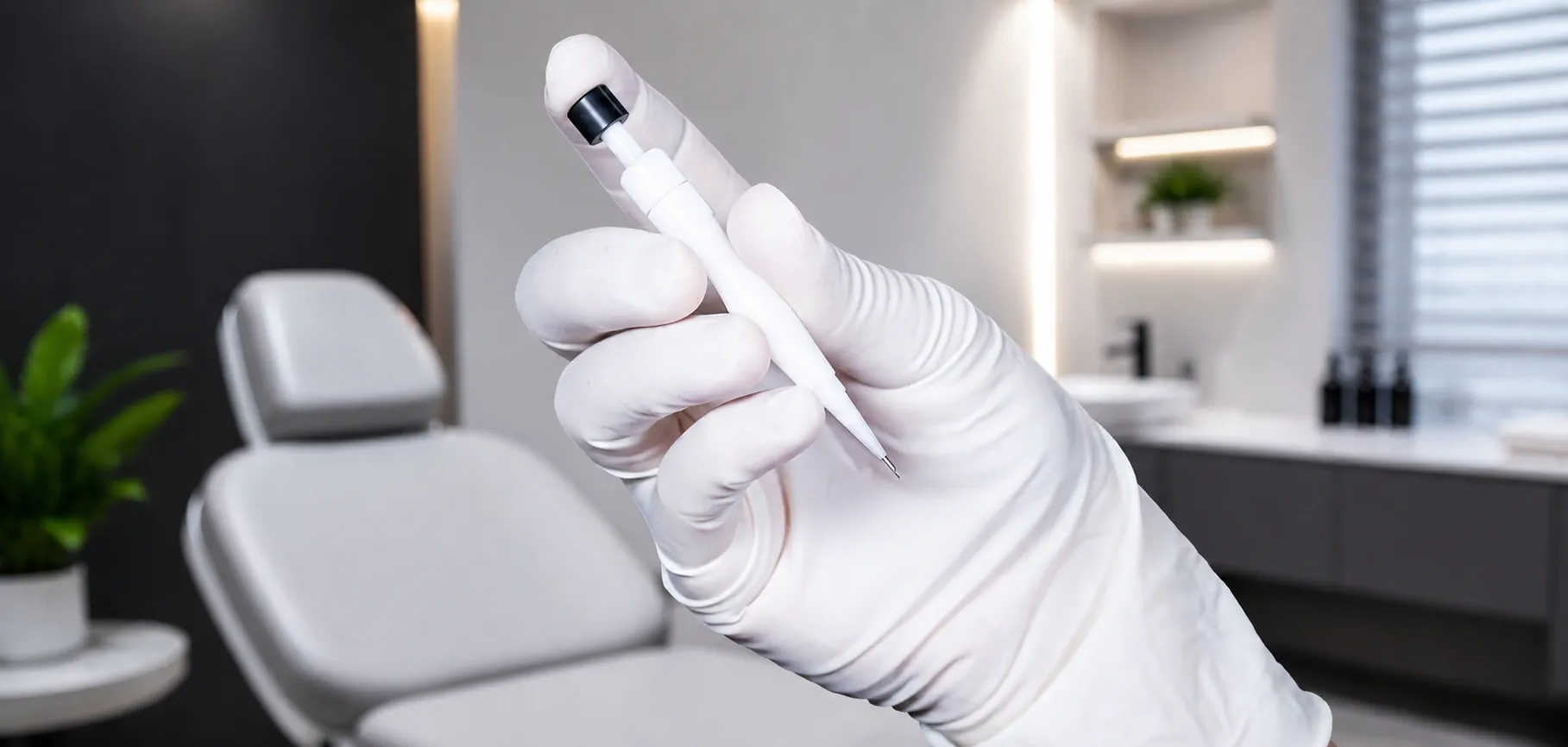
DHI hair transplantation is more expensive because it requires a high level of precision, expertise, and advanced technology. The procedure involves individually implanting each hair follicle using a specialized pen-like tool, which is time-consuming and labor-intensive. This meticulous process demands experienced surgeons who are skilled in delivering natural-looking results with precise control over the angle, depth, and direction of each graft. Additionally, the specialized tools used in DHI contribute to the overall cost, as they are designed to minimize trauma and maximize graft survival. The extended duration of the procedure and the expertise required further drive up the cost, making it more expensive compared to other methods. However, for many patients, the enhanced precision and natural appearance justify the higher price.
How successful is DHI?
DHI hair transplantation is highly successful, with graft survival rates often exceeding 90%, thanks to its precise implantation process. This technique minimizes the time hair follicles spend outside the body, enhancing their viability and ensuring a natural look. DHI allows for precise control over the direction, angle, and depth of each implanted follicle, creating a denser and more authentic appearance.
The success also depends on factors like the surgeon’s experience, patient adherence to aftercare, and individual hair health. Proper patient selection and expertise make DHI one of the most reliable methods for achieving satisfying and long-lasting results.
DHI Hair Transplant Price Table by Countries
| DHI Hair Translant in Turkey | € 2,290 - € 5,500 |
| UK (England) | € 10,000 - € 30,500 |
| United States | € 11,900 - € 25,200 |
| Germany | € 6,000 - € 12,200 |
| Spain | € 5,500 - € 12,500 |
| France | € 6,500 - € 13,700 |
| Ireland | € 15,000 - € 22,000 |
DHI Hair Transplant Procedure Steps
This surgical procedure involves two main phases, although the entire process includes three steps.
- Step 1: An anesthesiologist administers local anesthesia, which takes effect in approximately 3-4 minutes.
- Step 2: The surgeon uses a Choi pen to harvest hair follicles from the donor area. Instead of emptying the pen’s contents once they load it up, they use multiple Choi implanters. How many they’ll use will depend on the number of necessary grafts.
- Step 3: The surgeon inserts the grafts directly into the recipient areas using one Choi pen at a time. The pen makes minuscule slits in the predetermined spots and implants the grafts simultaneously.
How Long Does It Take?
A hair transplant surgery using the DHI technique takes between 6-8 hours, depending on how many grafts your surgeon needs to transplant.
It’s an outpatient procedure, which means you don’t have to stay at the clinic. You can head home as soon as the surgery is over, right after we hook you up with some high-quality hair products for proper aftercare and some pain meds to ease your recovery.
Recovering After a DHI Hair Transplant
Recovering after a DHI hair transplant typically involves a relatively short and manageable process, thanks to its minimally invasive approach. You can expect some mild swelling and redness around the transplant area, but these symptoms usually subside within a few days. Since DHI uses a specialized pen-like tool to implant follicles directly, there is minimal trauma to the scalp. This leads to faster healing compared to some traditional techniques.
Patients are advised to avoid strenuous activities, direct sun exposure, and touching or scratching the treated area during the first weeks. Proper aftercare, including using recommended shampoos and gentle washing, is crucial for optimal healing and graft survival. Full results take several months to appear, but you’ll notice gradual, natural-looking hair growth over time. Regular follow-ups with your doctor will ensure the healing process is on track and any concerns are addressed promptly.
The Best Techniques in Turkey: FUE, FUT & DHI
| Techniques | Advantages | Duration |
| FUE (Follicular unit extraction) | - No obvious scars.
- This procedure is less invasive due to the use of a small stapler.
- After the intervention, mild pain may be felt.
| 4 to 6 hours |
| FUT (Follicular Unit Transplantation) | - This method is an excellent option for those who need multiple grafts.
- It's cheaper than FUE.
- The recovery time is shorter than other methods.
| 3 to 11 hours |
| DHI (Direct Hair Implantation) | - The application of the follicle is performed without shaving the recipient or donor area.
- This technique does not use stitches.
- You may get more natural results.
| 6 Hours |
| FUSS (Follicular Unit Strip Surgery) | - You can take more hair follicles.
- This method is more suitable for large areas of alopecia.
- The possibility of damage to micrografts at the division stage is practically excluded.
| 1 to 6 hours Sapphire |
| Sapphire FUE | - Scars form on the scalp.
- There were no complications after the operation.
- Through this process, the transplanted hair can be made thicker.
| 5 to 9 hours |
Instagram: @sapphirehairclinic